Drone LiDAR Mapping Services for North Texas Surveyors & Engineers
Drone LiDAR Mapping Services for North Texas Surveyors and Engineers
You need bare-earth terrain models, accurate topographic surveys, and survey-grade point clouds without grounding a survey crew in the field for two weeks. We do drone LiDAR mapping for construction, civil engineering, and earthworks clients across Collin County and the DFW Metroplex. Multiple FAA Part 107 pilots on the team. 48-hour turnaround from flight to deliverable. Centimeter-level accuracy when your project requires it.
Why Hire a Drone LiDAR Mapping Service
Buying a Zenmuse L3 sensor and a Matrice 400 platform does not make a company a LiDAR mapping operation. The hardware, GNSS base station, post-processing software, and the field hours required to run survey-grade missions add up to a six-figure investment before the first deliverable ships. Then comes the time to learn point cloud classification, accurate Digital Terrain Model generation, and export pipelines into the formats your engineers actually open. Hiring us as your drone LiDAR mapping vendor means you get the result without the capital cost or the learning curve.
What We Deliver
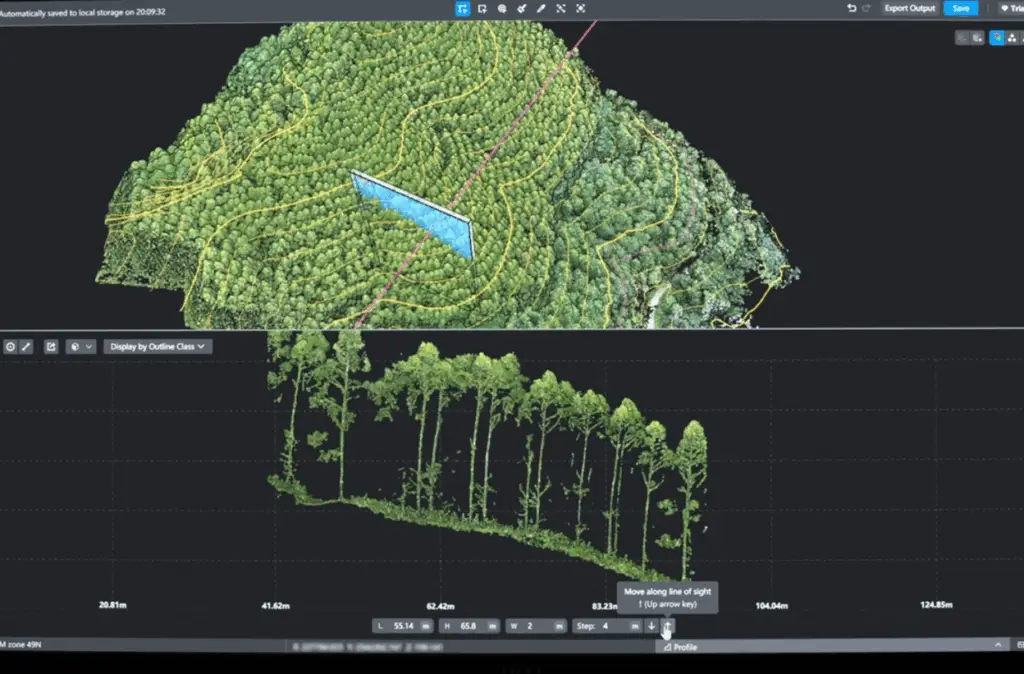
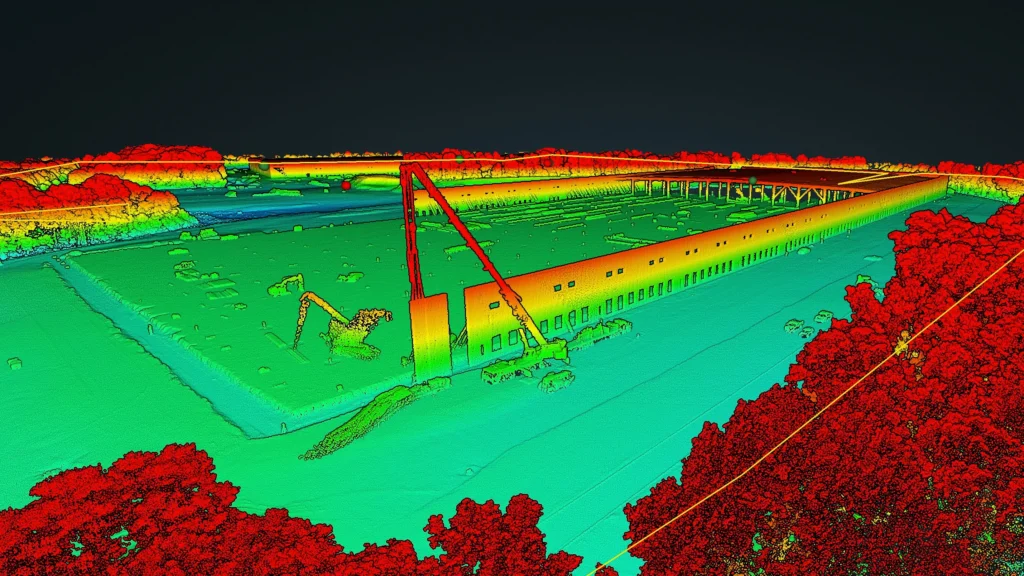
- Ground-Classified Point Clouds in LAS or LAZ format, classified for ground, vegetation, buildings, and powerlines.
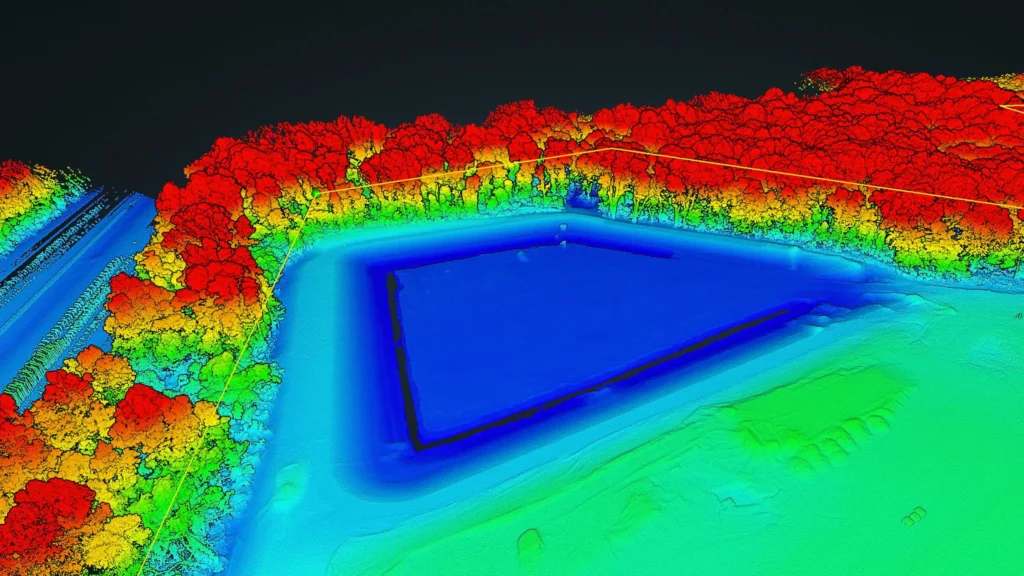
- Bare-Earth Digital Terrain Models as GeoTIFF or DXF, canopy and structures stripped out so engineers see the actual ground.
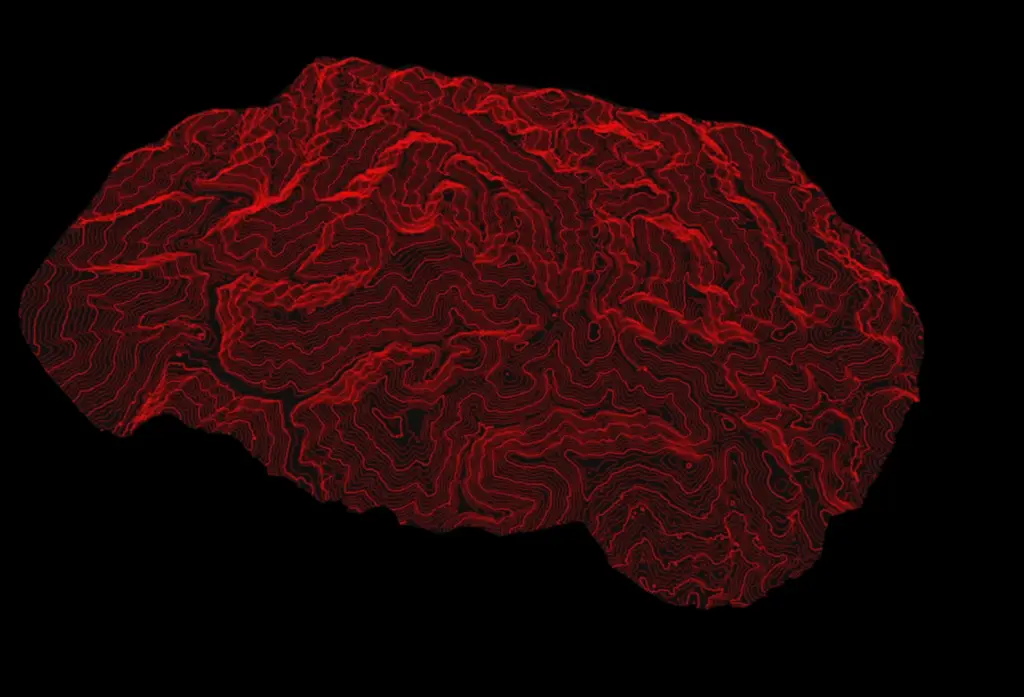
- Topographic Contour Maps at 1-foot or 2-foot intervals, exported in DWG or DXF for AutoCAD and Civil 3D.
- Cut and Fill Volume Reports with cubic-yard quantities for earthworks and stockpile balancing.
- High-Resolution Orthomosaic Imagery stitched alongside the LiDAR data so you have visual context next to the point cloud.
- Accuracy Reports documenting the GCPs, RTK setup, flight parameters, and absolute accuracy verified per project.
Most engineers and surveyors get a single zipped folder from us inside 48 hours of the flight. Larger projects (200 acres or more) take 3 to 5 business days.
UAV Land Surveying for Sites Where Ground Surveys Break Down
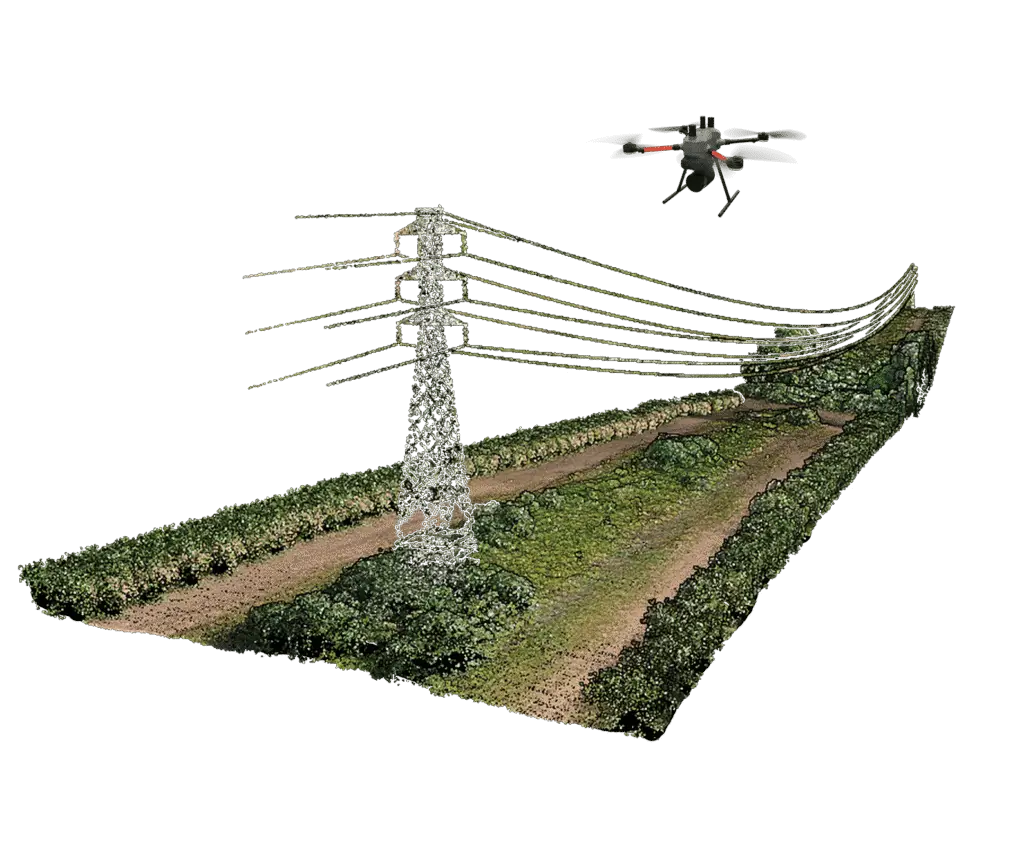
Drone LiDAR shines where traditional ground surveying gets slow, expensive, or unsafe. Heavy vegetation. Steep slopes. Active construction with tower cranes and concrete trucks moving through the work area. Live power line corridors. Sites with standing water or hazardous footing. We have flown drone LiDAR over all of these. The drone covers in 90 minutes what a ground crew would walk in a week, with no boots on the ground beyond the takeoff zone.
Where We Fly LiDAR Missions
Most of our drone LiDAR mapping missions serve North Texas clients in Celina, Frisco, McKinney, Prosper, Plano, Allen, and across the broader Dallas-Fort Worth Metroplex. We have flown LiDAR surveys for residential subdivisions, commercial development sites, utility corridors, road right-of-way studies, and earthworks projects. For the right project we fly statewide in Texas and into surrounding regions.
What a Drone LiDAR Survey Costs in North Texas
A typical 10 to 50 acre site runs $1,500 to $8,000 depending on point density, accuracy targets, and the deliverable formats your engineers need. Larger sites scale by the acre with volume pricing. We quote a fixed price up front so there are no surprise line items. See our pricing page for service categories and ranges.
How a Mission Runs From First Call to Final Deliverable
- You send us the site address, the deliverables you need, and your deadline.
- We come back with a fixed-price quote within one business day.
- We schedule the flight on a clear-weather window and confirm any airspace authorizations.
- We fly the site with our DJI Matrice platform, set ground control points, and capture the data.
- We post-process the point cloud, classify it, and build your deliverables.
- You get a download link with everything you ordered, plus the accuracy report. 48 hours from flight on most jobs.
Why Clients Pick a Family-Owned Drone LiDAR Vendor
You get the same chief pilot on every flight. The same person who scopes the job is the one in the field on the controls. Multiple licensed pilots on the team means we can cover a tight deadline that a solo operator cannot. We answer the phone. We send the data when we say we will. That is the value of working with a small family-owned shop instead of a national mapping firm with a call center.
Need a drone LiDAR mapping quote for your North Texas project?
Call 972-314-9500 or email info@collincountydrone.com.
Request a Quote
Founded in 1934, the American Society for Photogrammetry and Remote Sensing (ASPRS) is a scientific association serving thousands of professional members around the world. Our mission is to advance knowledge and improve understanding of mapping sciences to promote the responsible applications of photogrammetry, remote sensing, geographic information systems (GIS) and supporting technologies.